Publication Date: September 3, 2026
Access counts:0
Estimation of Fracture Effective Transmissivity in a Large Domain
-Integration of Local Transmissivity Heterogeneity and Groundwater Flow Patterns-
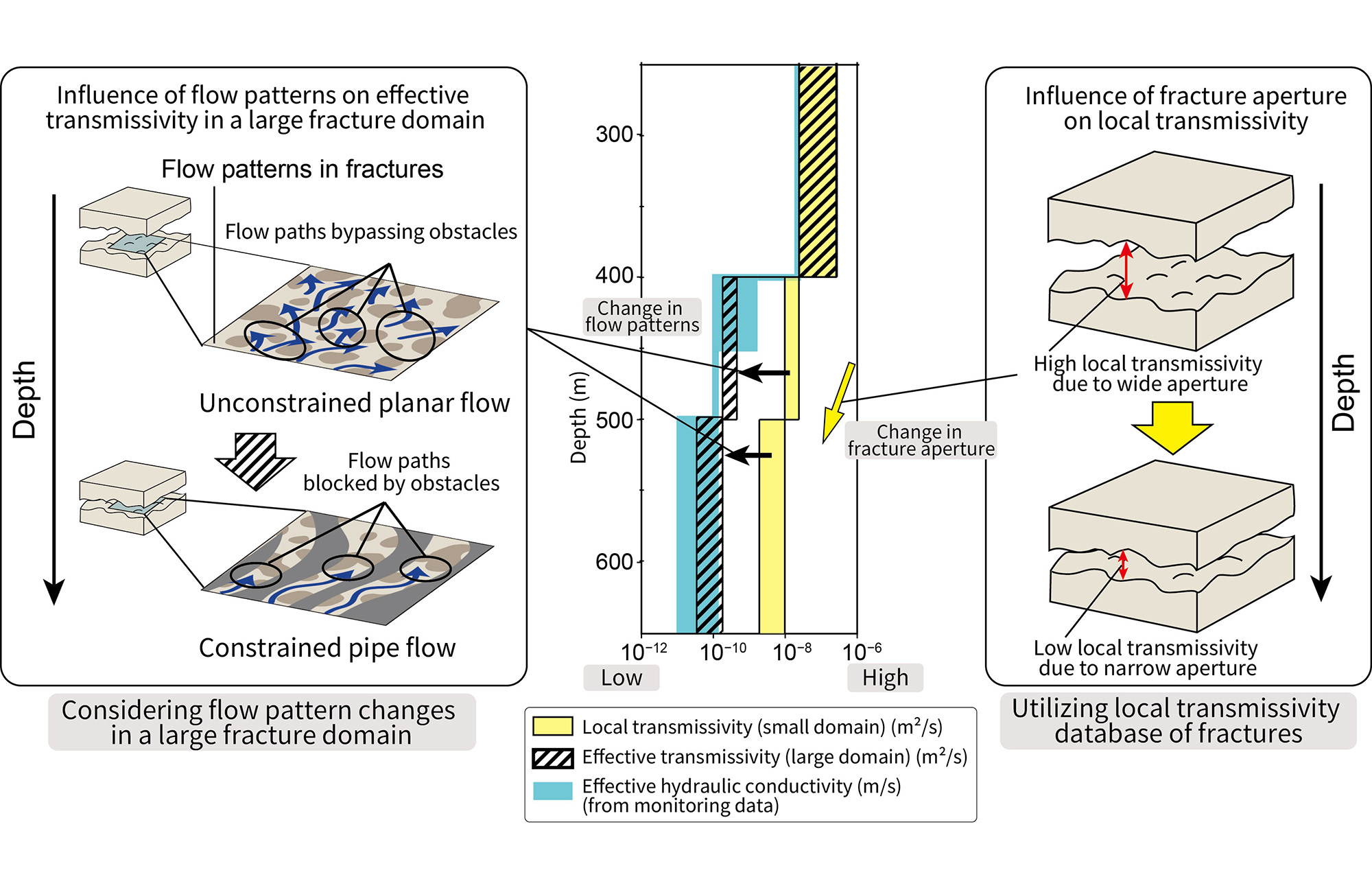
Fig. 1 Schematic of an approach used to estimate fracture effective transmissivity in a large domain
The evaluation of groundwater flow in a large domain containing a subsurface facility is crucial for assessing the safety of the geological disposal of high-level radioactive waste. The local transmissivity of rock fractures can be evaluated using ordinary hydraulic tests. However, estimating the effective transmissivity of fractures, which is essential for the evaluation of large-domain groundwater flow, necessitates large-scale and long-term experiments.
Effective transmissivity is influenced by two factors: the distribution of local transmissivity and flow patterns within fractures. This study integrates these factors, derived and classified using the ductility index, to estimate effective transmissivity (Fig. 1).
The estimation results were compared with variations in effective hydraulic conductivity derived from the long-term monitoring of hydraulic pressure and inflow around the Horonobe Underground Research Laboratory. The variation in effective transmissivity estimated using the proposed approach showed good agreement with the trend of the effective hydraulic conductivity, confirming the validity of the proposed approach.
The results of this study will be useful for various fields that require groundwater-flow evaluations in large domains.
Keywords

If you have any comments or feedback about this page, please click the button to share your thoughts with us.