Publication Date: December 23, 2025
Access counts:0
Experiment to Demonstrate That HTGR Stabilizes the Safety State and Can Cool Down Without Control Rods or Forced Cooling
-Successful Safety Demonstration Test at HTTR (High-Temperature Engineering Test Reactor)-
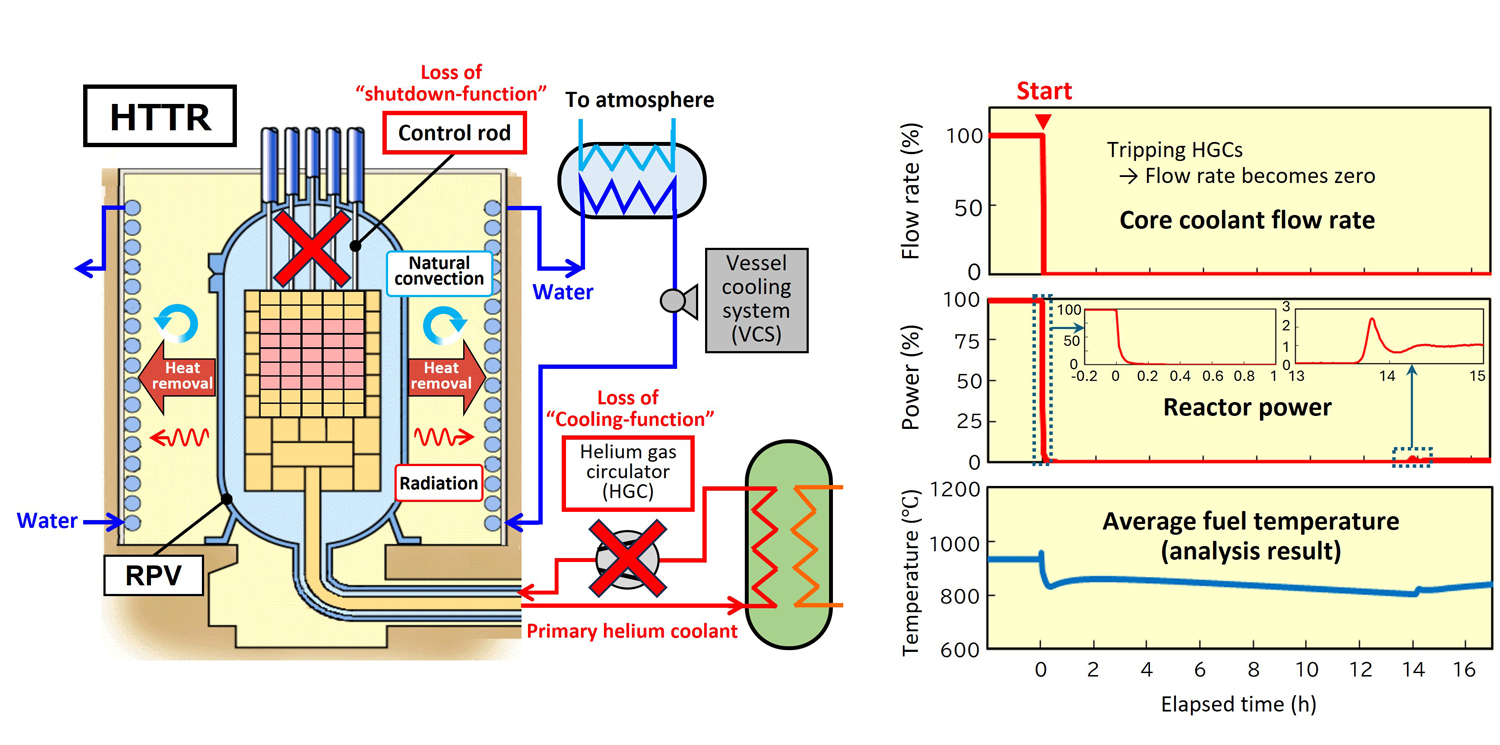
Fig. 1 Overview and results of safety demonstration test
High-temperature gas-cooled reactors (HTGRs) use graphite as the core material and helium gas as the coolant, enabling a design in which core melting cannot occur and providing excellent safety. By taking advantage of this feature, installation of HTGRs near energy demand sites such as industrial facilities and chemical plants is expected. To demonstrate this inherent safety, the world’s first safety demonstration test was conducted at the High-Temperature Engineering Test Reactor (HTTR) at full power (100 %) for a block-type HTGR.
In this test, all helium gas circulators (HGCs) were shut down, and insertion of the control rods was intentionally prevented. This setup simulated the loss of the two most important safety functions of a reactor- “shutdown” and “cooling”. Immediately after the start of the test, core temperature temporarily increased. However, due to the negative reactivity feedback effect *, reactor power spontaneously decreased to nearly 0 %. Throughout the test, fuel temperature never exceeded the design limit of 1,600 ℃, and the confinement function of radioactive materials was confirmed to remain in effect (Fig. 1).
These results clearly demonstrated that even without control rod insertion or forced cooling, HTGR can naturally stabilize the safety state and cool down, while safely containing radioactive materials. This verifies the excellent inherent safety of HTGRs.
* Negative reactivity feedback effect (self-regulating characteristic of the reactor): As core temperature increases, fission reaction is suppressed, and reactor power spontaneously decreases.
If you have any comments or feedback about this page, please click the button to share your thoughts with us.