Publication Date: March 27, 2026
Access counts:0
Toward Achieving Decarbonized Society by Technology for Hydrogen Production Using High Temperature Gas-Cooled Reactors
-Establishment of a Prediction Method of Thermal Hydraulics Behavior of Helium and Water-
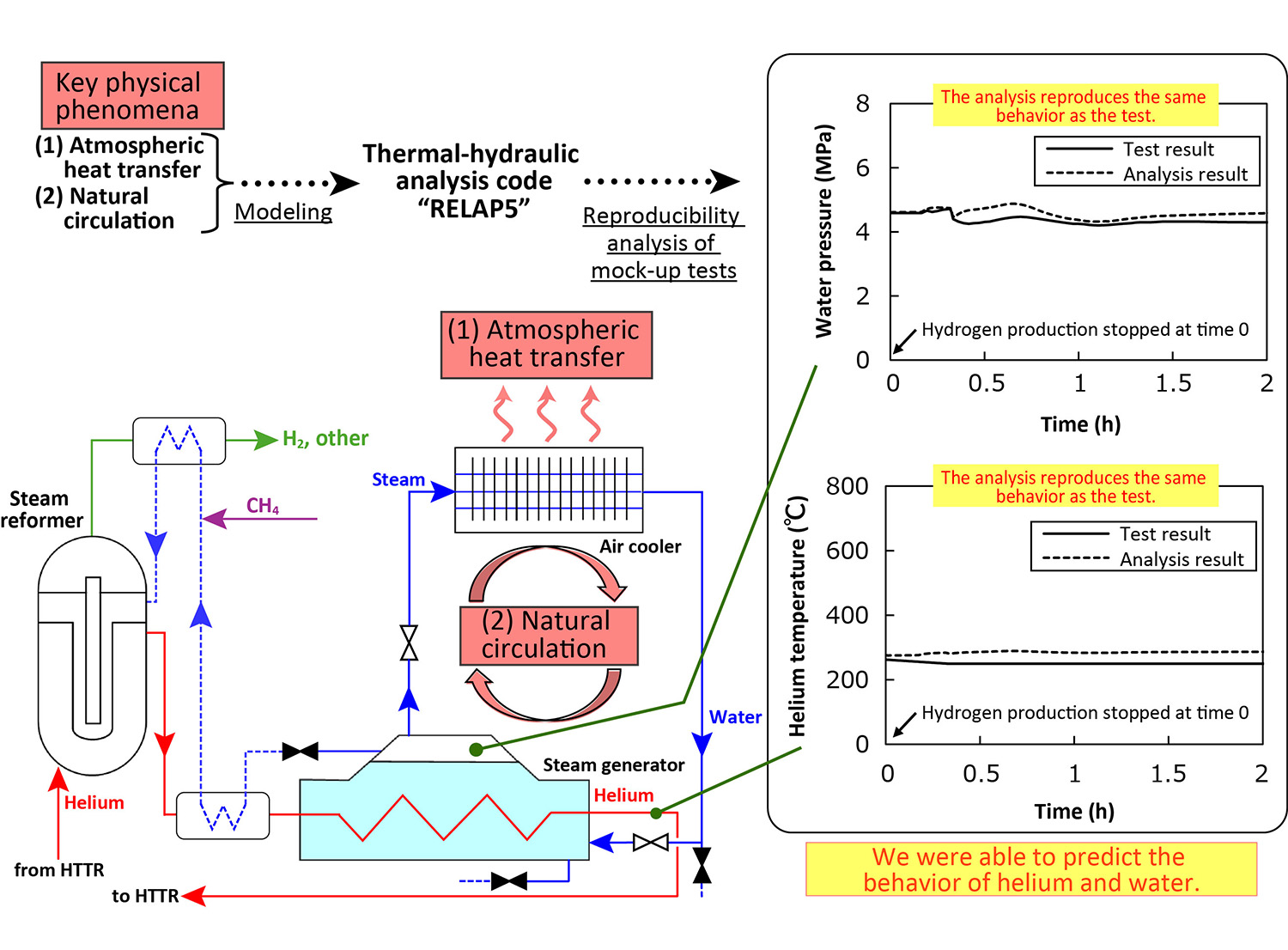
Fig. 1 Validation of the predictive performance of a plant simulator using a mock-up test
For hydrogen production to contribute to decarbonization, the Japan Atomic Energy Agency plans to connect HTTR (High Temperature engineering Test Reactor), a high temperature gas-cooled research and test reactor at the Oarai Nuclear Engineering Institute, to a hydrogen production facility. Steam generated in the steam generator and methane are heated in a steam reformer installed in the hydrogen production facility. Hydrogen is then produced using high-temperature heat from HTTR. In this project, in the event hydrogen production stops because methane supply stops for some reasons, the hydrogen production facility is designed to transfer the heat from HTTR by the natural circulation of water and steam from the steam generator to the air cooler, and then release it into the atmosphere. To predict the behavior of such a system, a key challenge is the development of a plant simulator that could predict these complex phenomena.
This study seeks to develop a plant simulator that incorporates a natural circulation model between the steam generator and the air cooler, as well as modified models for heat release from the pipes and the air cooler, into the thermal-hydraulic analysis code “RELAP5,” which includes a thermal-hydraulic model for helium. A previous mock-up test was simulated with the simulator, and comparison between the simulation and the test results was carried out, followed by validation of the simulator.
Analysis of the transient behavior in helium temperature and water pressure successfully reproduced trends consistent with the experiments (Fig. 1). From the results, development of a plant simulator capable of predicting the behavior of helium and water was possible.
The analysis code developed in this study can be used to develop a test plan related to a system that connects HTTR to a hydrogen production facility.
If you have any comments or feedback about this page, please click the button to share your thoughts with us.