Publication Date: March 16, 2026
Access counts:0
Toward Decommissioning of a Uranium Facility
-Verification of Non-Contamination-
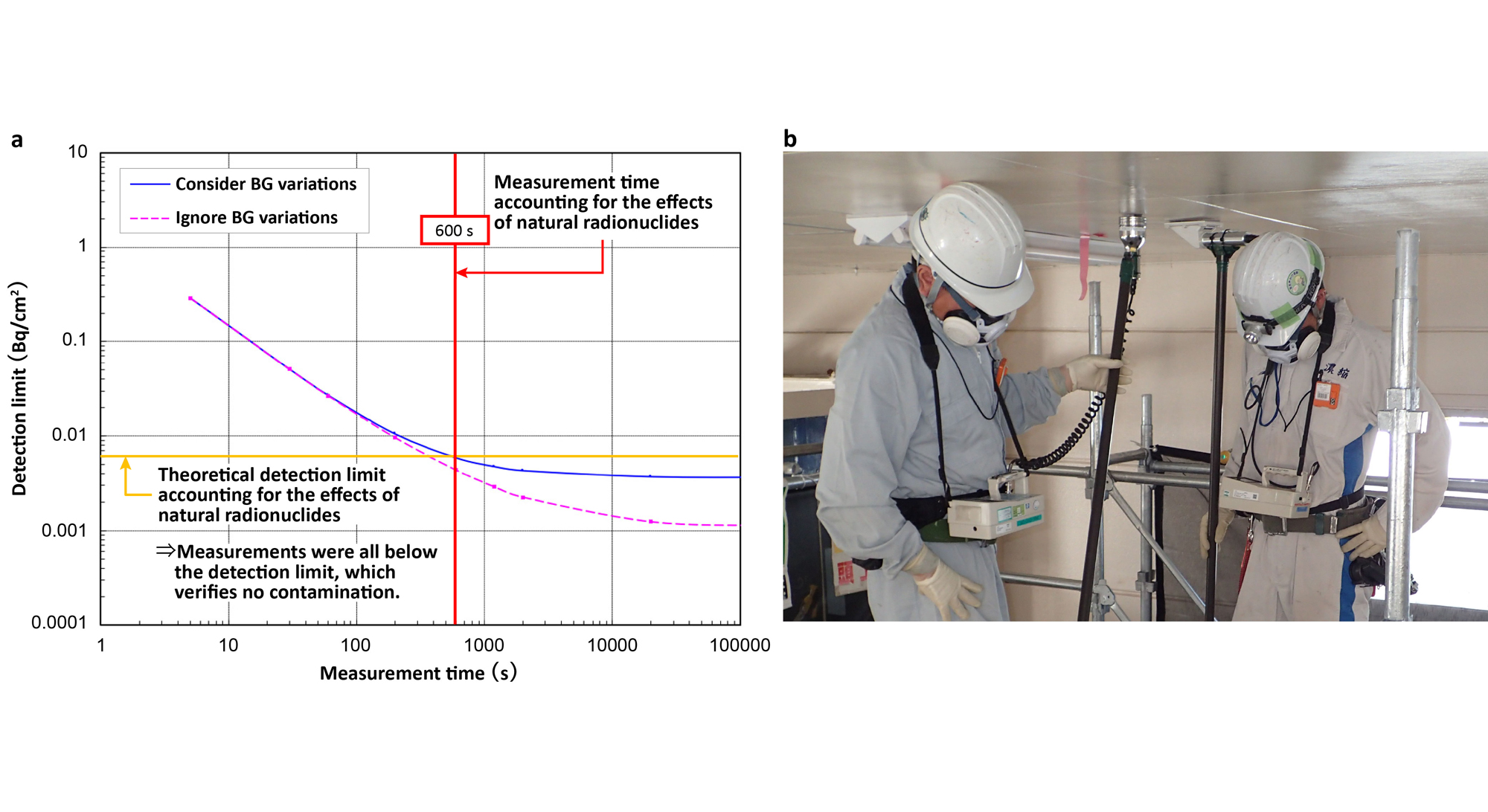
Fig. 1 Measuring for non-radioactive waste
When lifting restrictions in areas protected from radiation exposure to allow entry, a contamination inspection of the facilities must be conducted to verify the absence of radioactive contamination. Additionally, to reduce radioactive waste, building structural materials must be classified as non-radioactive waste (NR), records related to the assessment of contamination status, such as installation locations and usage history, must be reviewed. To enhance the reliability of the inspection, radiation measurements are performed using theoretical detection limit curves that account for background (BG) variations.
In this work, a contamination inspection to lift restrictions of the controlled area in a uranium facility was conducted, and non-contamination status in the targeted area could be confirmed. Furthermore, based on the contamination likelihood assessments for floors, walls, and ceilings, a contamination measurement was taken for 600 seconds at the center of a 3 m × 3 m section in the uranium facility. Measurements were all below the detection limit of the theoretical detection curve, with consideration of BG variations in each radiation measurement instrument taken into account (Fig. 1). From these results, we have obtained both the prospect of release from restrictions of the controlled area with sufficient practical reliability and methods for evaluating NR.
Based on the insights and data obtained through this work, we will continue to move forward in the reliable decommissioning process.
👇Related article is listed in the details section.👇
Click to view details
Toward Decommissioning of a Uranium Facility
-Safety Assurance and Prevention of Contamination Spread-
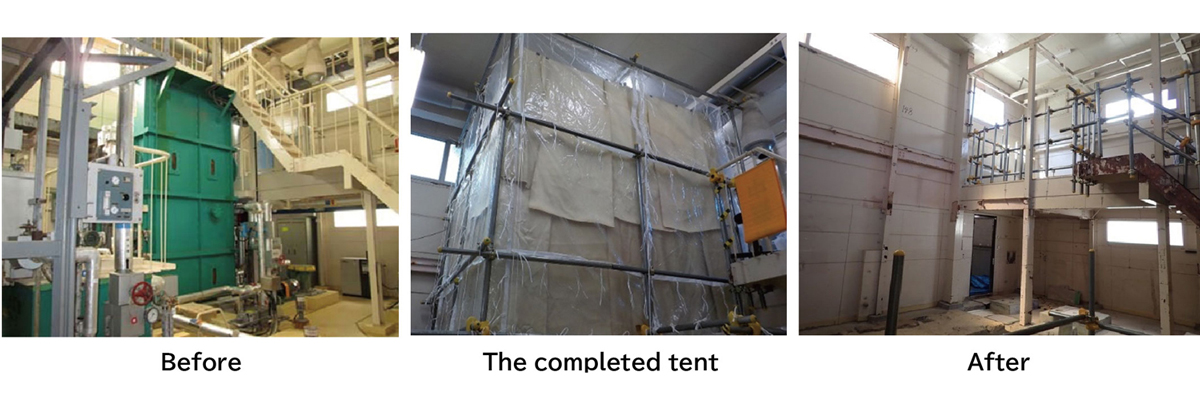
Fig. 2 Interior equipment demolition before and after (wastewater treatment equipment)
In the decommissioning of a uranium facility, interior equipment was dismantled and removed depending on contamination levels. To dismantle and remove interior equipment in this operation, equipment that that had handled uranium was enclosed within a tent-type simple housing to prevent contamination spread. All work, from dismantling to loading into waste containers, was performed within these enclosures (Fig. 2).
Regarding items used within the controlled facility and buildings, records of past usage history and installation status were reviewed. Contaminated sections were separated and removed, and walls, floors, and other surfaces where contamination could not be ruled out were chipped away.
The target facility for this dismantling and removal of interior equipment in this operation had multiple pieces of equipment installed in confined spaces, making the work difficult to perform and creating challenges in securing space for waste generated during the operation. Therefore, we proceeded with the work while reviewing and improving the work sequence and methods as needed based on the situation. Additionally, material installed within the controlled facility, such as some air intake ducts and electrical wires which did not pose a risk of contamination, were processed as non-radioactive waste (NR) as determined by the review of past usage history and other factors.
With the completion of these dismantling and removal operations, we transitioned to the final stage of decommissioning work, including radiation measurements, which is necessary to lift the restrictions on the controlled facility.
Based on insights gained from this work, we will continue to implement reliable decommissioning measures.
Waste Management Section, Nuclear Backend Technology Development Department, Nuclear Fuel Cycle Engineering Laboratories
Reference
Ohwada, M. et al., Decommissioning Report for Wastewater Treatment Facility (Part 1); Chapter on Dismantling and Removal of Interior Equipment Section, JAEA-Technology 2024-013, 2025, 221p. (in Japanese).

If you have any comments or feedback about this page, please click the button to share your thoughts with us.