Publication Date: March 18, 2026
Access counts:0
Seeking More Accurate Understanding of Neutron Irradiation-Induced Damage in Reactor Pressure Vessels
-EXAFS Analysis of Fine Structure in Steel Materials-
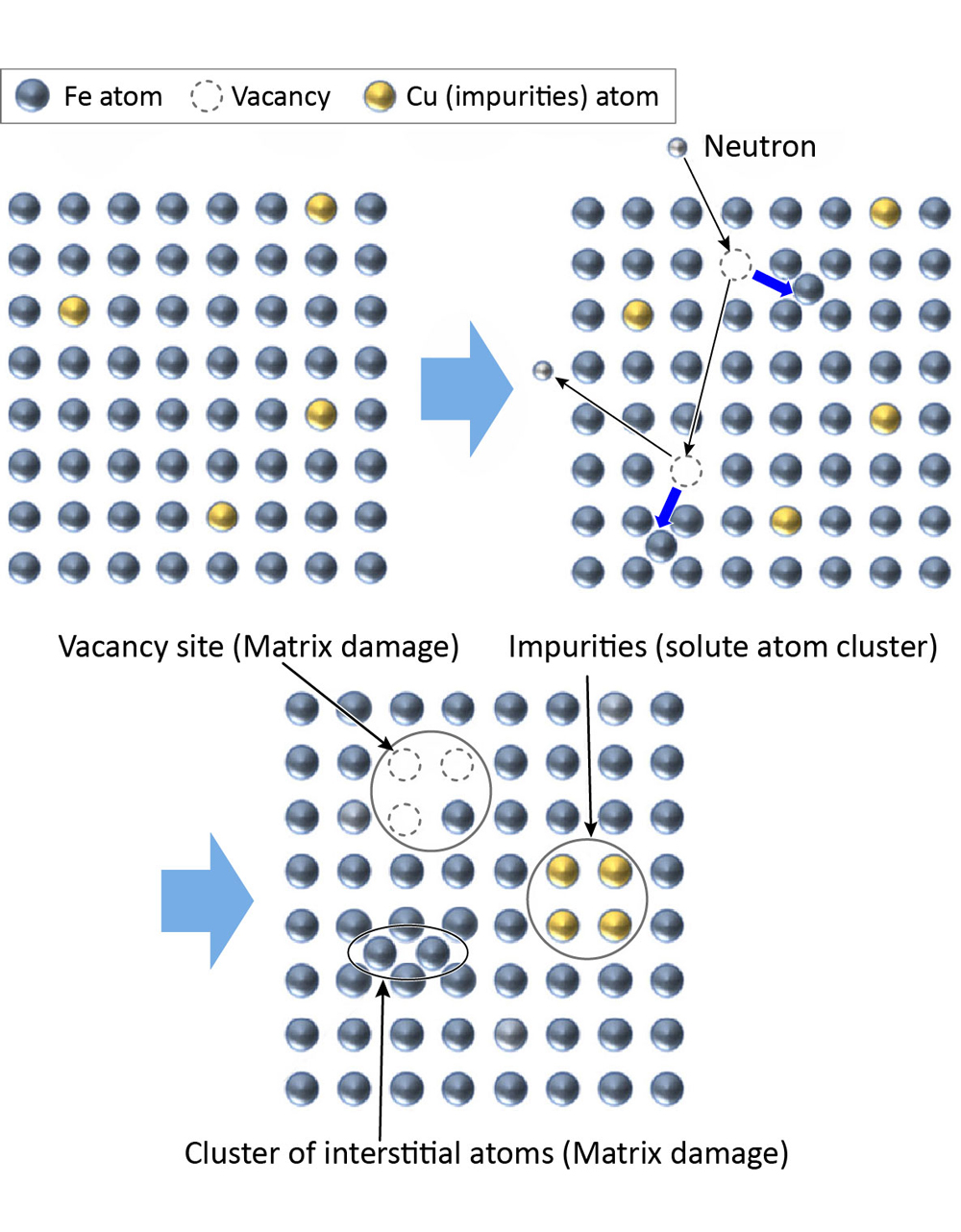
Fig. 1 Microstructural changes in RPV steel due to neutron irradiation*
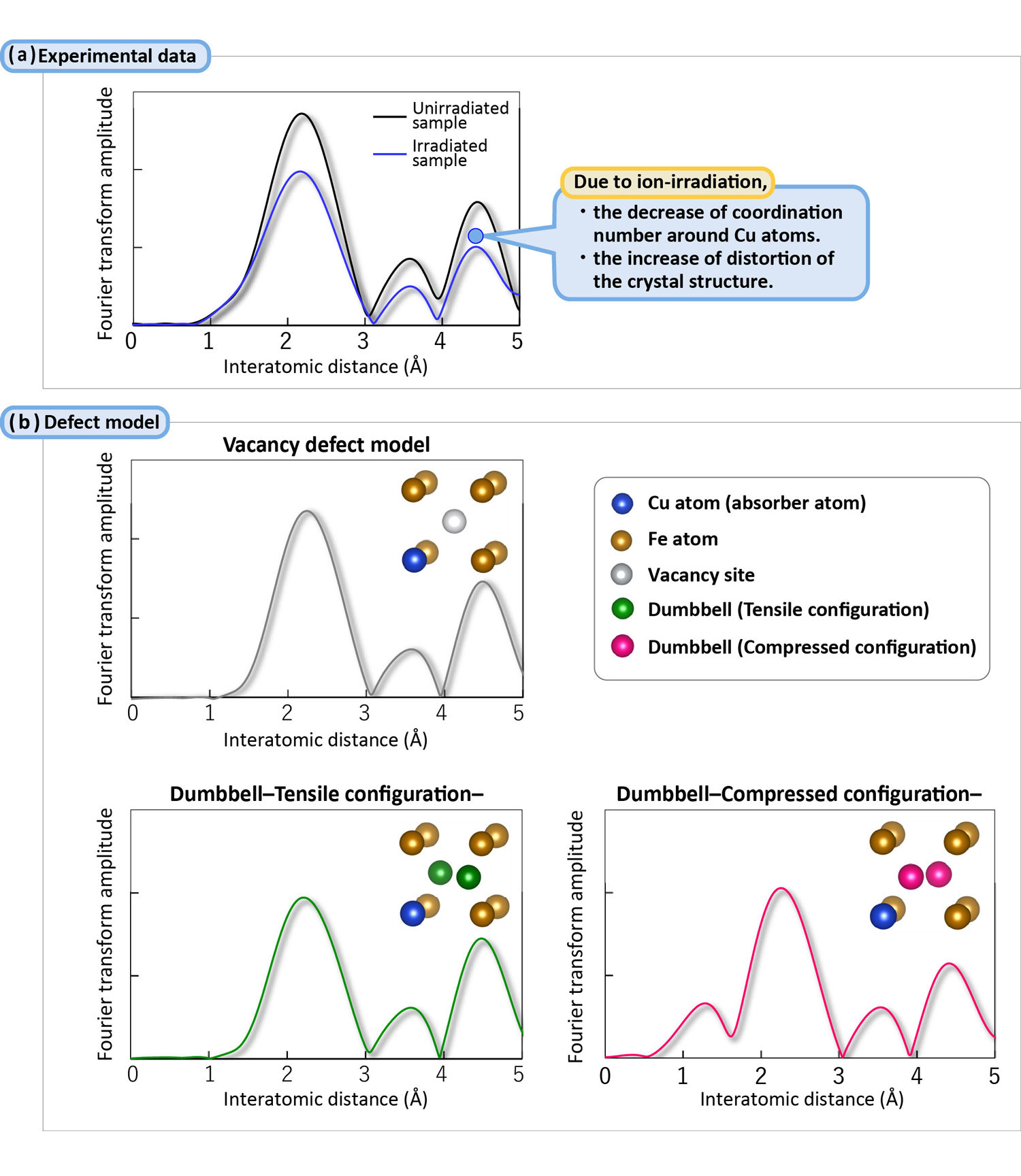
Fig. 2 (a) EXAFS spectrum obtained for the local structure around Cu atoms in ion-irradiated RPV steel,
and (b) simulated EXAFS spectra for the local structure around Cu atoms in Fe matrix.
Reactor pressure vessel (RPV) steel is a low-alloy steel containing elements such as Cu, Mn, and Ni. During reactor operation, RPV steel is exposed to neutron radiation, thus generating extremely fine microstructural features known as vacancies and interstitial atoms. This process leads to solute atom clusters such as Cu clusters and interstitial-type atom clusters (Fig. 1), which are the origins of the irradiation embrittlement of RPV steel.
For more accurate understanding of irradiated embrittlement, precise comprehension of these extremely fine microstructural features from the initial stage of their formation is essential. Therefore, we investigated the microstructural features of Cu atoms and other elements using extended X-ray absorption fine structure (EXAFS), a technique which can identify crystal structures and coordination numbers in regions as small as several angstroms. We analyzed RPV steel that had been exposed to ion irradiation (simulating neutron irradiation). From the EXAFS spectrum for Cu atoms shown in Fig. 2a, we could observe a reduction in Cu atom coordination numbers and crystal structure distortion while the crystal structure remains as a body-centered cubic structure. Furthermore, by comparing the observed EXAFS spectrum with those simulated for various defect structures (Fig. 2b), we concluded that the observed microstructural features likely represent either vacancy defects or tensile-type configurations of dumbbell-shaped interstitial atoms.
Future applications of this methodology to neutron-irradiated RPV steels, in order to further elucidate the damage mechanisms occurring in RPV steels, are expected.

If you have any comments or feedback about this page, please click the button to share your thoughts with us.