Publication Date: December 18, 2025
Access counts:0
Determining Undeclared Nuclear Activities Using Isotopic Abundances of Uranium Particles
-A Method to Accurately Screen for Uranium Particles and Their Isotopic Abundances-
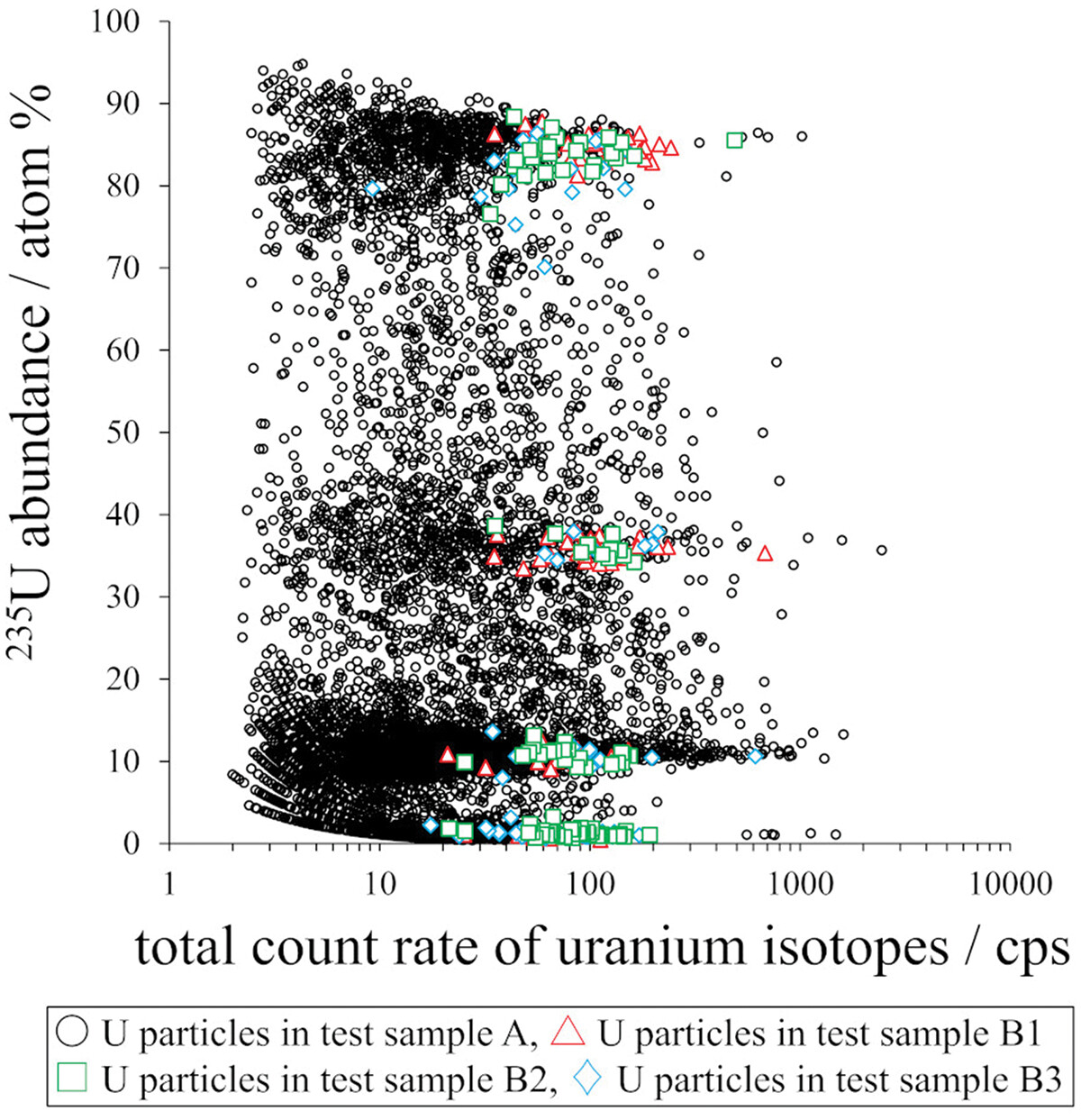
Fig. 1 Comparison of the screening results obtained from the conventional method and from a new method that uses micromanipulation of test samples
Environmental samples (ES) for nuclear safeguards are used to detect trace levels of nuclear materials such as uranium and plutonium, and collected by IAEA inspectors from nuclear facilities around the world. IAEA uses the analytical results of ES to ensure compliance with treaty obligations. Consequently, high accuracy and precision are required for ES analysis.
Secondary ion mass spectrometry (SIMS) is one method to analyze isotopic abundance of uranium particles in ES. In the sample preparation process for SIMS analysis of ES, an aggregation of uranium particles is observed when uranium particles are collected onto a planchet. When this aggregation is detected as a single particle in SIMS analysis, the analytical results show the average isotopic abundances of uranium particles and indicate nonexistent isotopic abundances in the sample. This effect is called particle mixing and reduces accuracy of ES analysis using SIMS.
A new method, combining SIMS based screening and micromanipulation, was developed and could demonstrate complete removal of particle mixing from the screening results. Screening results of the new method clearly showed an accurate distribution of uranium isotopic abundances in the test samples. SIMS screening combined with micromanipulation was shown to be effective in removing particle mixing caused by adjacent uranium particles and as a result, accurate data could be obtained.

If you have any comments or feedback about this page, please click the button to share your thoughts with us.