Publication Date: March 13, 2026
Access counts:0
Development of a Mass Production Method for Low-Pressure-Drop Chromatography Support
-Seeking Improvement in the Safety of Minor Actinide Separation and Recovery Systems Using Extraction Chromatography-
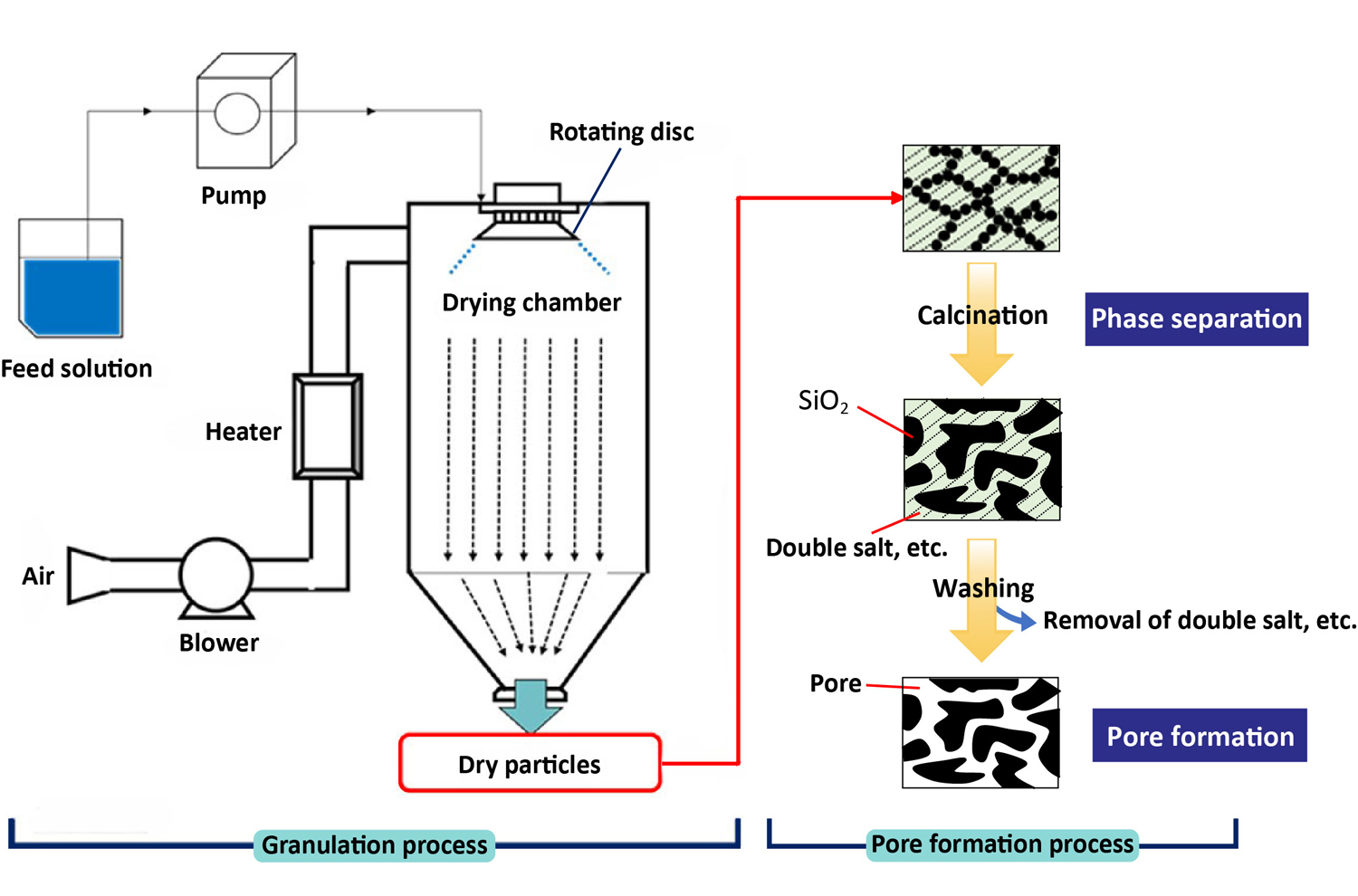
Fig. 1 Schematic diagram of adsorbent support production by granulation process and pore formation process
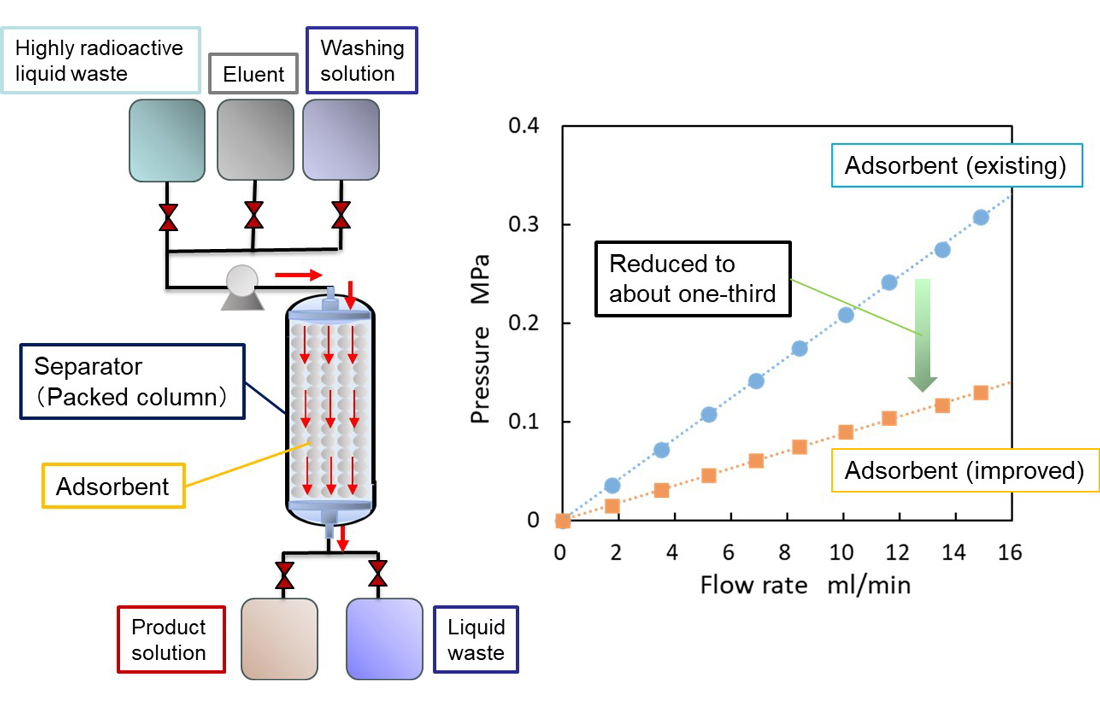
Fig. 2 Schematic diagram of extraction chromatography (left) and pressure drop in laboratory-scale packed column (right)
Separation and recovery of minor actinides (MA) from spent nuclear fuel is expected to significantly reduce the potential hazard of high-level radioactive waste, thereby contributing to lower long-term risks and smaller disposal sites. Extraction chromatography is one separation and recovery method. This method separates MA and other radionuclides by adsorption and elution on a solid phase (packed column) using porous silica particles impregnated with an extractant (adsorbent). However, practical application of this technology faces various safety issues, particularly the need to ensure rapid evacuation of radionuclides from the packed column and emergency cooling of the packed column in the event of an abnormal stoppage of the pump delivering the solution to the packed column.
To address this need, we have been working to improve the porous silica particles as adsorbent supports, which are silica-based and impregnated with an extractant, by increasing the particle size and pore size to reduce pressure drop in the packed bed. Low pressure drop is advantageous for the evacuation of radiolytic gases generated within the packed bed and for the passage of cooling water through the packed bed. The preparation of porous silica particles consists of a granulation process for silica particles followed by a pore formation process. In this study, as shown in Fig. 1, we combined the granulation process, which obtains dried particles by drying the sprayed raw material solution in a drying tower, with the pore formation process, which forms pores by removing double salt, etc. from the phase separated structure. This allows the process to produce a large quantity of porous silica particles with increased particle and pore sizes, and low pressure drop. As shown in Fig. 2, the pressure drop across the packed column filled with the improved adsorbent (a lab-scale simulator of an extraction chromatographic separator) is confirmed to be approximately one-third of adsorbent used in previous research.
This reduction in the pressure drop facilitates emergency flow-through to the packed column in the event of a pump failure in extraction chromatography. Consequently, this contributes to the safety improvement of MA separation and recovery systems using extraction chromatography and promotes their practical application.

If you have any comments or feedback about this page, please click the button to share your thoughts with us.