Publication Date: March 3, 2026
Access counts:0
Sensitive Detection of Dilute Nonfluorescent Solutes by Reflectivity Modulation Photothermal Spectroscopy
-Achieving Analysis of Femtoliter-Scale Volumes of Nonfluorescent Species-
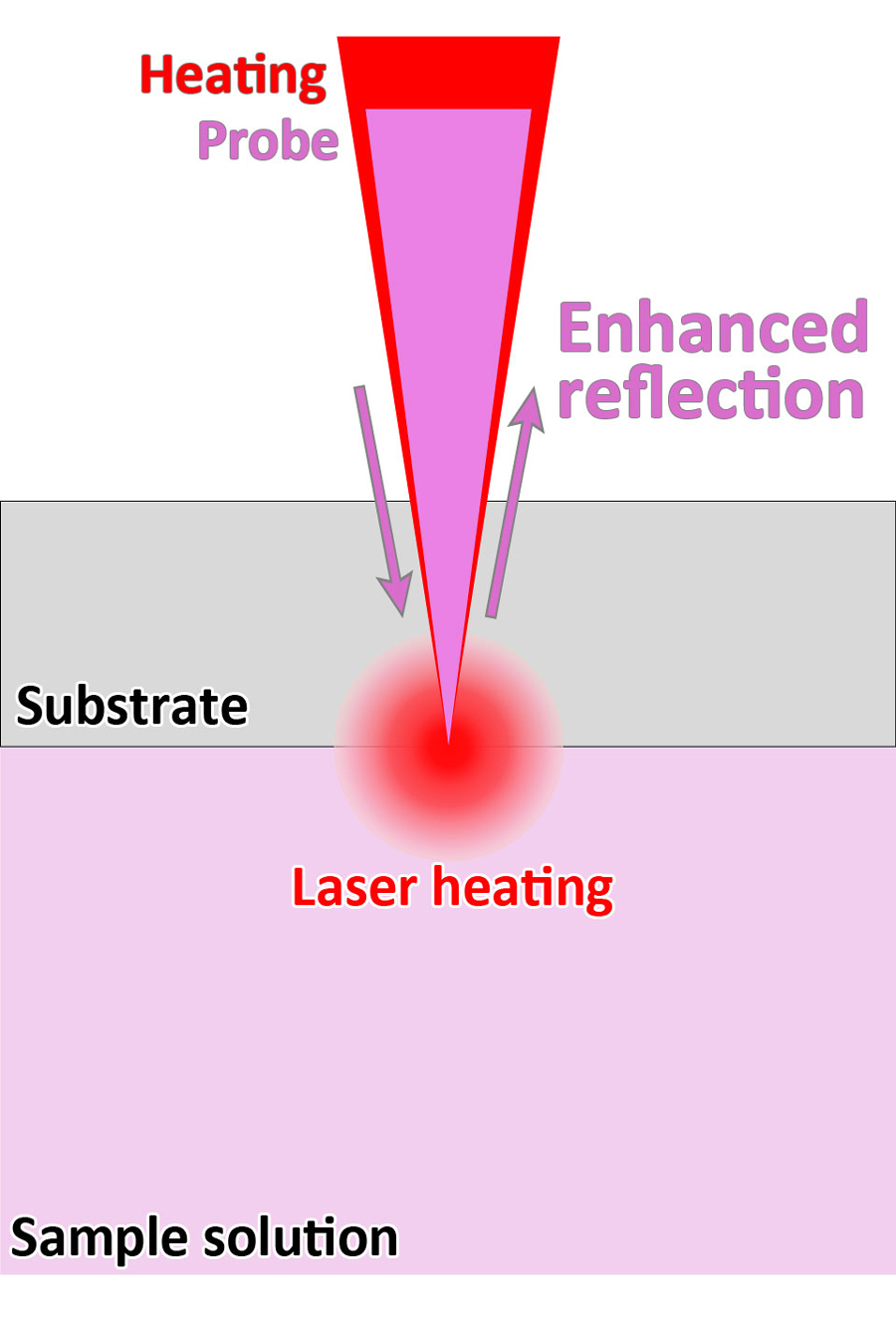
Fig. 1 Detection of optical absorption via changes in reflectivity
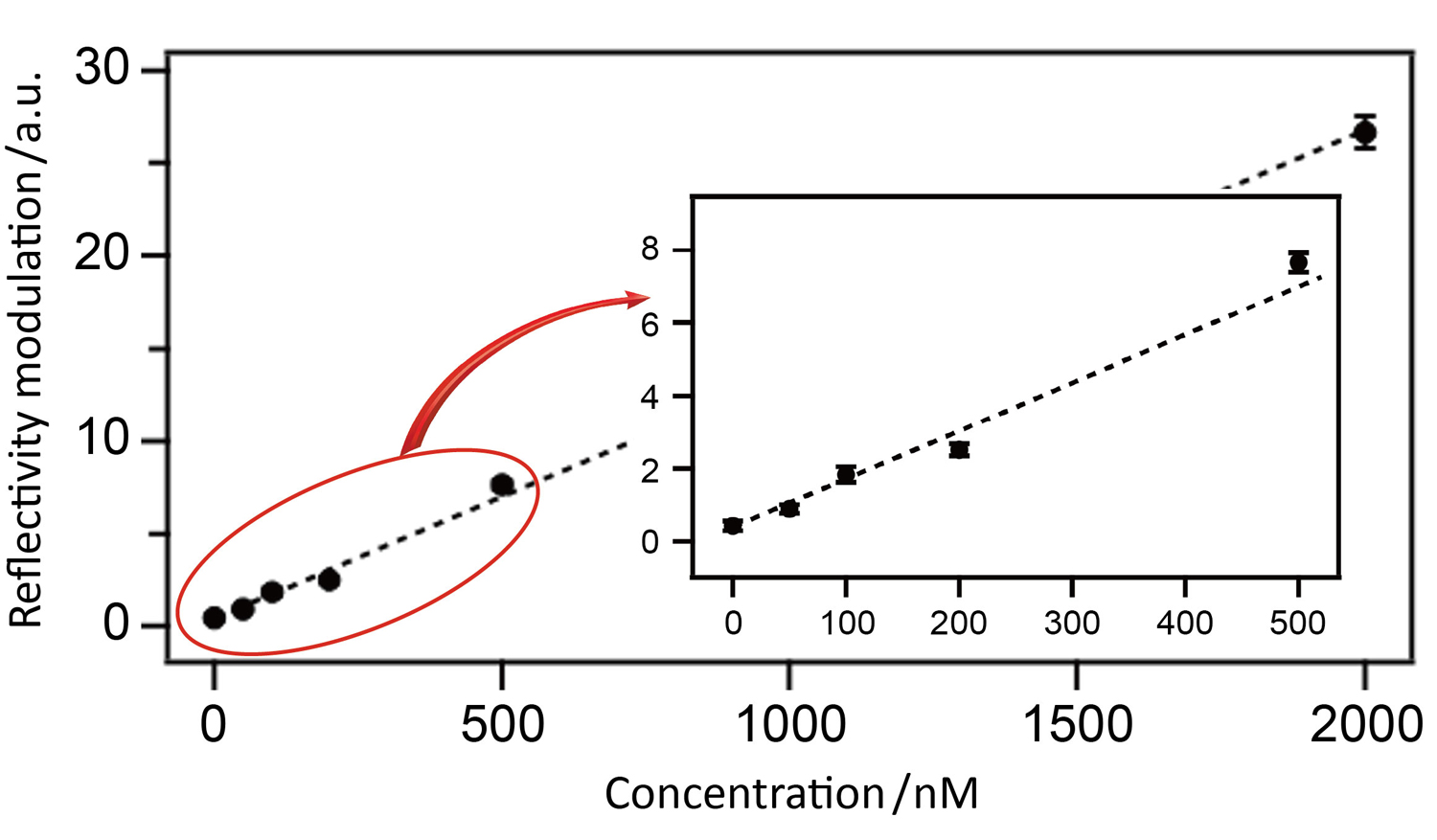
Fig. 2 Example analysis of a dilute dye solution
In the analysis of radioactive liquid waste, safety considerations limit the amount of sample that can be handled, creating a need for techniques capable of accurately measuring components in very small volumes of dilute aqueous solutions. However, dilute and nonfluorescent species are difficult to detect conventional absorption measurements lack sufficient sensitivity, and fluorescence cannot be used. Although highly sensitive photothermal spectroscopic methods exist, they typically require complex optical setups involving beam alignment and adjustments of interferometric components, which makes them challenging to operate.
In this study, we utilized the fact that slight temperature increases induced by optical absorption can change the reflectivity at the glass/aqueous interface, enabling sensitive measurements with a simple optical configuration (Fig. 1). The method requires only that the heating and probe beams be focused on the same spot, eliminating the need for precise beam offsetting or specialized optical elements. Experiments demonstrated that even extremely dilute dye solutions in microchannels could be detected at concentrations as low as 75 nM, corresponding to femtoliter-scale volumes of nonfluorescent analytes (Fig. 2).
With further adaptation to microchannels made from different materials and strategies to suppress background light, this technique is expected to evolve into a safer and more reliable analytical method for small aqueous samples, including those containing radioactive species.

If you have any comments or feedback about this page, please click the button to share your thoughts with us.