Publication Date: March 31, 2026
Access counts:0
Local Structure of Alumina with Nonvolatile Memory Function
-Study on Role of Disorder in Memory Function Revealed by Synchrotron X-Ray-
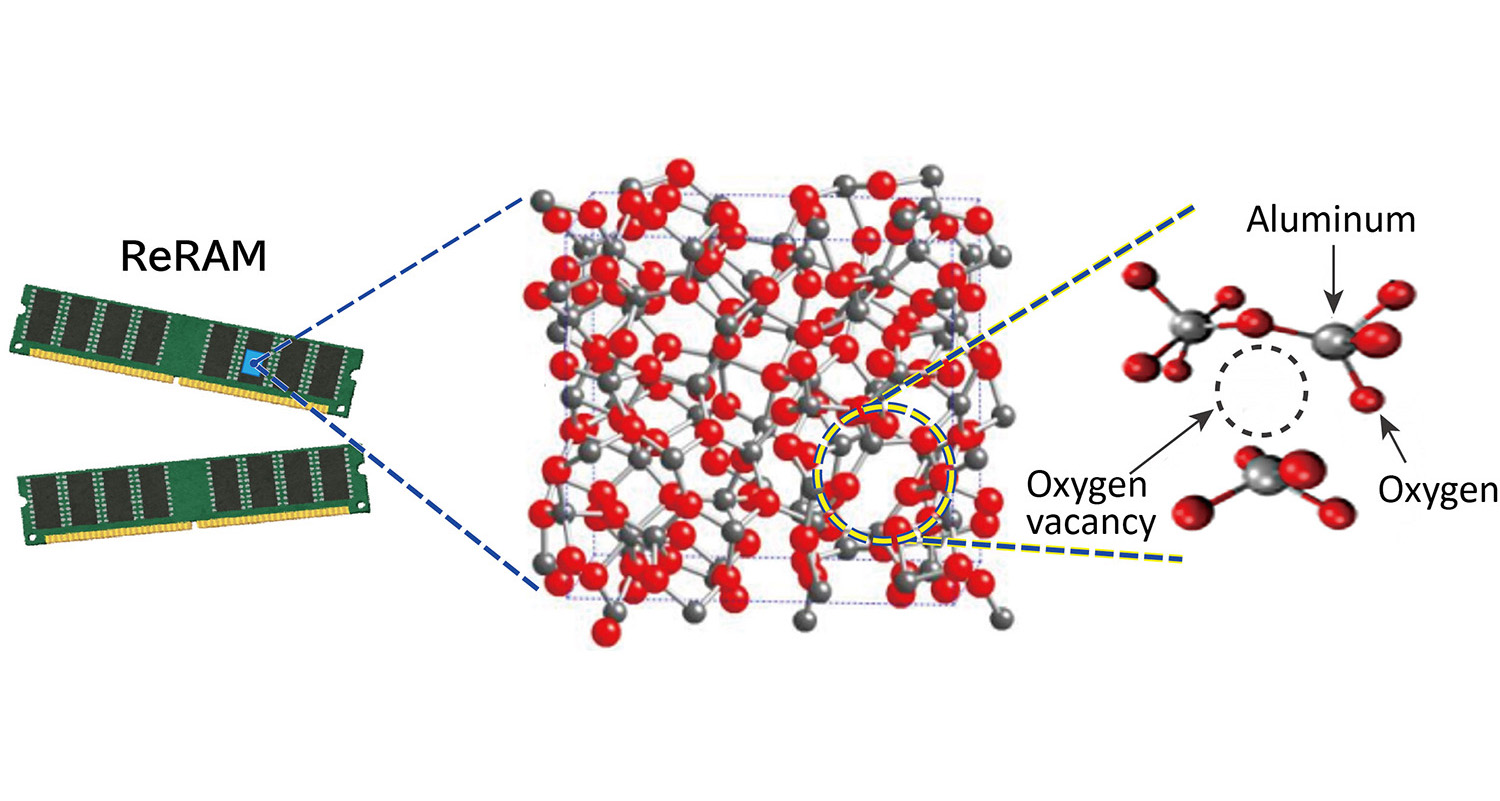
Fig. 1 Schematic of alumina with nonvolatile memory
Dynamic random-access memory (DRAM) remains the most widely used form of main memory worldwide. However, its volatile nature necessitates a continuous power supply, resulting in significant energy consumption. This poses a significant obstacle to the realization of a sustainable, data-driven society that leverages artificial intelligence (AI) and big data. In response, resistive random-access memory (ReRAM), a next-generation nonvolatile memory that relies on transition metals, has garnered considerable research interest. Despite its potential, ReRAM faces critical challenges, including limited functionality and reliance on hazardous or scarce raw materials.
The electrical characteristics of nonvolatile memory are governed by its electronic state, which is intrinsically linked to the material’s local structure. In this study, synchrotron experiments were used to investigate the structural properties of a novel aluminum-oxide-based nonvolatile memory that contains no transition metals (Fig. 1). This work represents the first successful identification of the specific structural features essential for nonvolatile memory functionality in such materials: the oxygen vacancies originate from the disordered atom distribution with the short distance between aluminum elements. The development of aluminum-oxide-based nonvolatile memory, using readily available and environmentally benign raw materials, holds promise as a next-generation electronic material. Its potential to reduce power consumption and support decarbonization efforts positions it as a key enabler of future sustainable technologies.
This study reports a subset of results obtained in collaboration with National Institute for Materials Science (NIMS).
This paper has been chosen to be an "Editor’s Pick" of the Journal of Applied Physics.

If you have any comments or feedback about this page, please click the button to share your thoughts with us.