Publication Date: December 19, 2025
Access counts:0
Supramolecular Assemblies in Solvent Extraction to Improve the Recycling of Critical Metals
-Towards a Metal-Ion Selectivity and Extraction Rate Control-
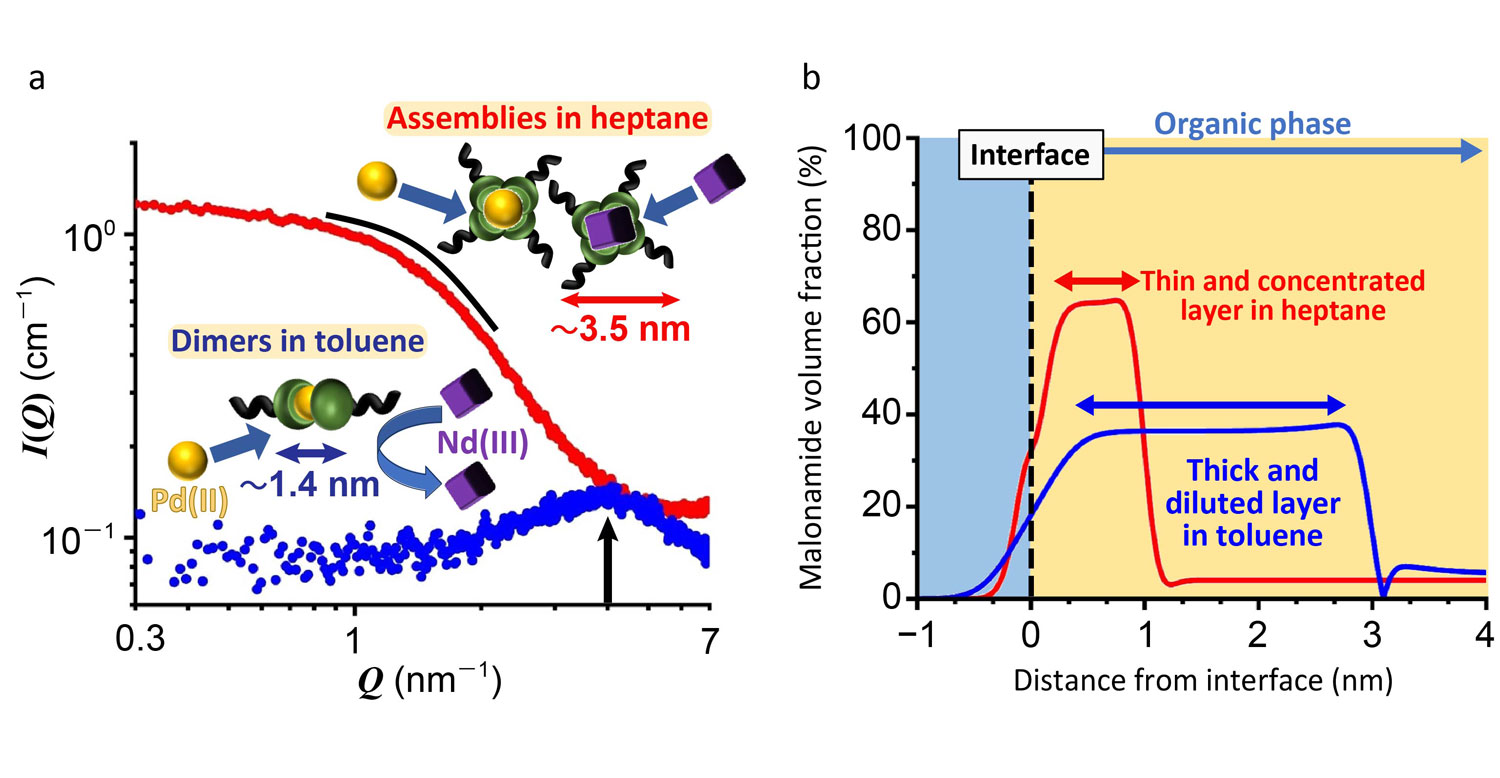
Fig. 1 (a) Small-angle X-ray scattering (SAXS) reveals an assembly size recognition effect that affect selectivity,
and (b) neutron reflectometry (NR) reveals an interfacial accumulation effect which affects the extraction rate
Solvent extraction process is essential for resource recycling supporting a sustainable future. It allows to selectively separate metal ions by using an extractant diluted in an organic solvent. Conventional approaches solely based on coordination chemistry were unable to explain unexpected solvent effect on selectivity and kinetics. However, the recent use of scattering techniques evidenced the strong contribution of extractant supramolecular assemblies on selectivity.
This study focused on the “supramolecular assemblies” formed during the separation of Palladium (Pd) and Neodymium (Nd) using malonamide in heptane or toluene solvent.
Small-angle X-ray scattering (SAXS) results revealed an assembly size recognition effect affecting selectivity (Fig. 1a). In toluene, the small assemblies (around 1.4 nm) only accept Pd in their core leading to high selectivity. In heptane, the large assemblies (around 3.5 nm) accept both metals leading to low selectivity. Neutron reflectometry (NR) results reveal an interfacial accumulation effect affecting extraction speed (Fig. 1b). At toluene interface, malonamide formed a thick and dilute layer leading to slow extraction. At heptane interface, malonamide formed a thin dense extractant layer leading to fast extraction.
To clarify this contribution, the international research team between France (CEA, CNRS) and Japan (JAEA, J-PARC, KEK, CROSS) used SAXS and NR. Going forward, we will use small-angle neutron scattering (SANS) at JRR-3 to develop an extraction system that can adapt its assembly size to control selectivity and extraction speed.

If you have any comments or feedback about this page, please click the button to share your thoughts with us.