Publication Date: March 4, 2026
Access counts:0
New On-Site Technology for Identifying Different Alpha Nuclides
-Demonstration of a High-Performance Alpha Imaging Detector-
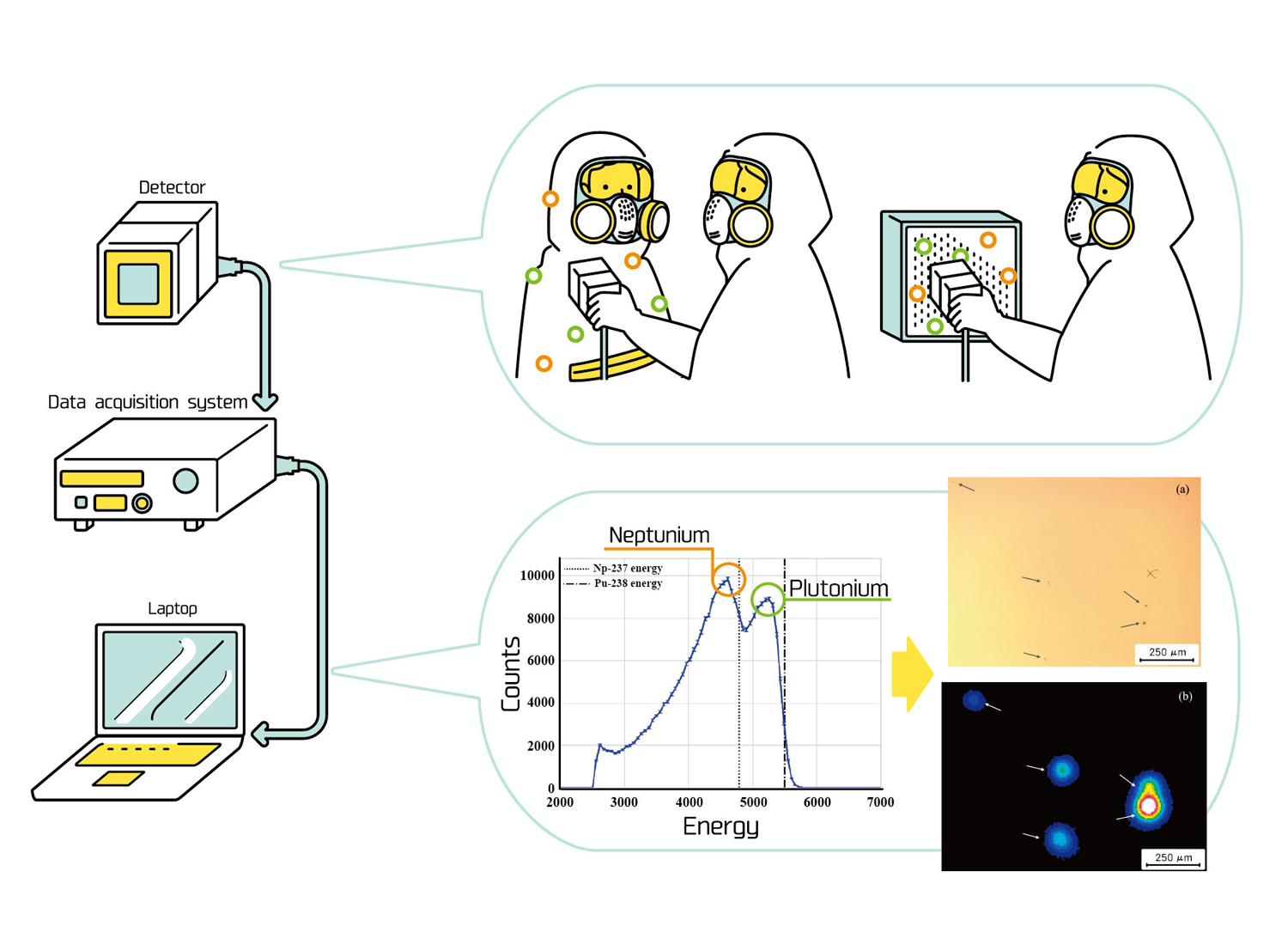
Fig. 1 Overview of the High-Performance Alpha Imaging Detector
During the decommissioning work at the TEPCO's Fukushima Daiichi Nuclear Power Station, airborne microparticles containing alpha-emitting nuclides pose a significant risk of internal exposure when inhaled. Since the contribution to internal dose varies among alpha-emitting nuclides, it is essential to establish an on-site technology that can efficiently identify the specific nuclides and obtain information necessary for dose assessment, such as radioactivity and particle size. Conventional survey meters using ZnS(Ag) scintillators, which are commonly used in the field, can only measure the total alpha radioactivity distributed within the measurement area. Therefore, to determine nuclide composition or particle size, it has been necessary to collect samples on-site, perform complex pretreatment in laboratories—resulting in significant delays before obtaining assessment results.
By combining our newly developed cerium-doped YAP scintillator based alpha imaging detector with a previously developed Monte Carlo–based particle size estimation method, we have achieved rapid on-site identification of individual alpha-emitting nuclides, along with quantitative evaluation of their radioactivity and particle size (Fig. 1).
In collaboration with the Savannah River National Laboratory (SRNL) in the United States, we conducted demonstration tests using oxide particle samples containing two alpha-emitting nuclides with different energy levels: 238Pu (5.50 MeV) and 237Np (4.79 MeV). The results confirmed that these nuclides can be successfully identified and measured in real time on-site. This enables rapid and accurate management of workers' internal radiation exposure doses from inhaling alpha dust during decommissioning operations, thereby contributing to the acceleration of decommissioning work.

If you have any comments or feedback about this page, please click the button to share your thoughts with us.