Publication Date: January 7, 2026
Access counts:0
A New Radiation Dose Assessment Method Contributing to the Lifting of Evacuation Orders
-External Exposure Dose Prediction Model Based on Life Patterns of Residents Developed in Fukushima-
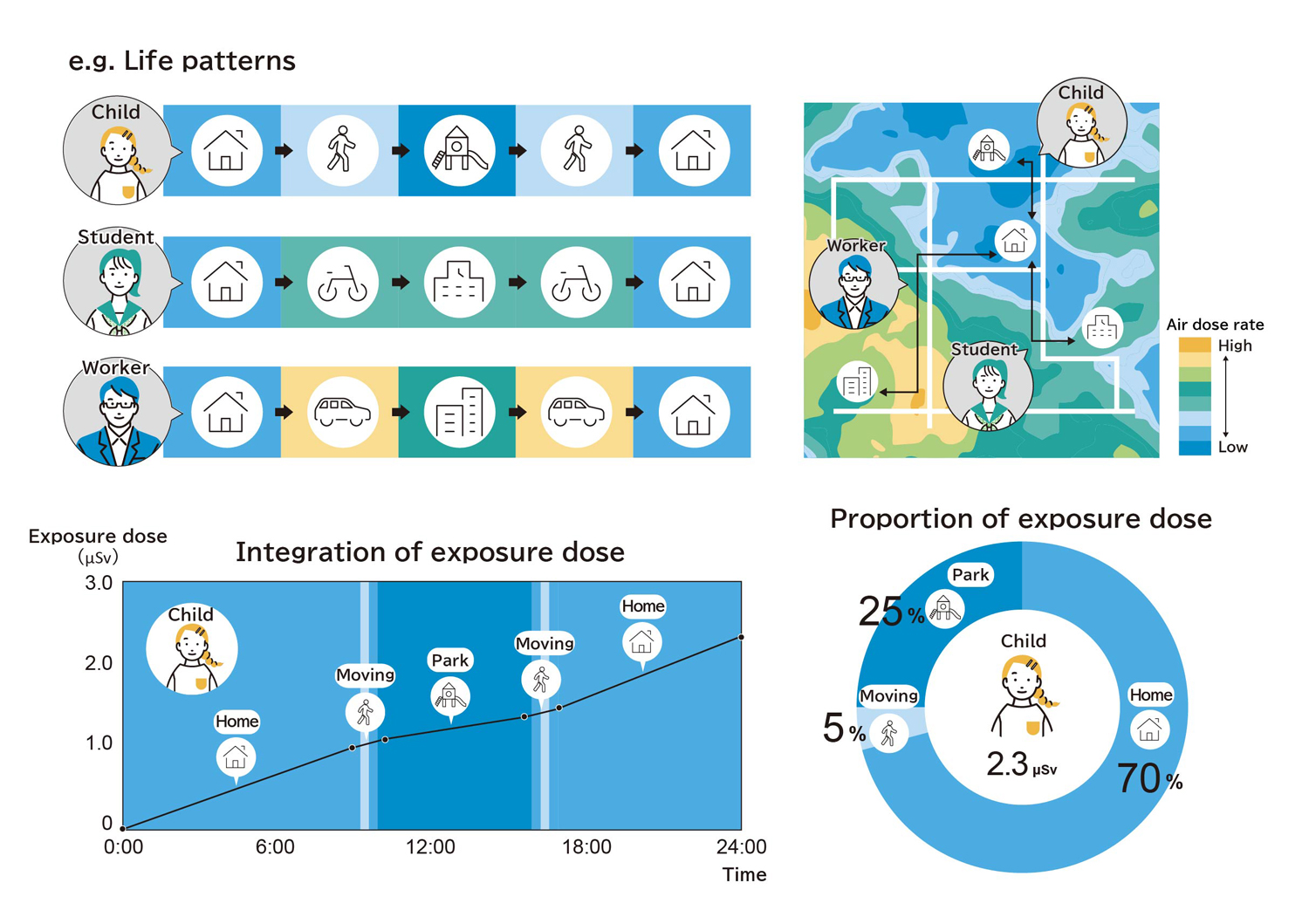
Fig. 1 Overview of a new radiation dose assessment model
Exposure doses following the TEPCO’s Fukushima Daiichi Nuclear Power Station accident have been measured using personal dosimeters or evaluated roughly and conservatively using simplified models. On the other hand, it was necessary to predict the realistic exposure doses for individual residents when lifting evacuation orders in specific reconstruction and revitalization base areas, so new models other than the simplified models were desired for the evaluation of realistic exposure doses.
This study developed a new model to predict the realistic exposure dose based on residents' life patterns and air dose rates at locations where they spend time (Fig. 1). To develop the model, we assessed the impact of naturally occurring radiation sources such as natural radionuclides on indoor air dose rate for 207 buildings and improved the prediction accuracy. Additionally, this study validated model accuracy by collecting and analyzing life patterns and personal doses for 106 person-days, although the validation had been difficult. The validation demonstrated that the 95 % prediction confidence interval of is only 13 % under the environment of approximately 20 mSv per year, which is the level to lift evacuation orders.
The predicted results from this model have been provided to committees established in municipalities as a reference for determining the lifting evacuation orders and will be utilized lifting the evacuation orders in the future. Furthermore, the exposure dose prediction using this model can be used for radiation protection during evacuation from nuclear disaster.

If you have any comments or feedback about this page, please click the button to share your thoughts with us.