Publication Date: September 14, 2026
Access counts:0
Estimation of Tritium Levels in Japanese Flounder Following the Release of ALPS-Treated Water
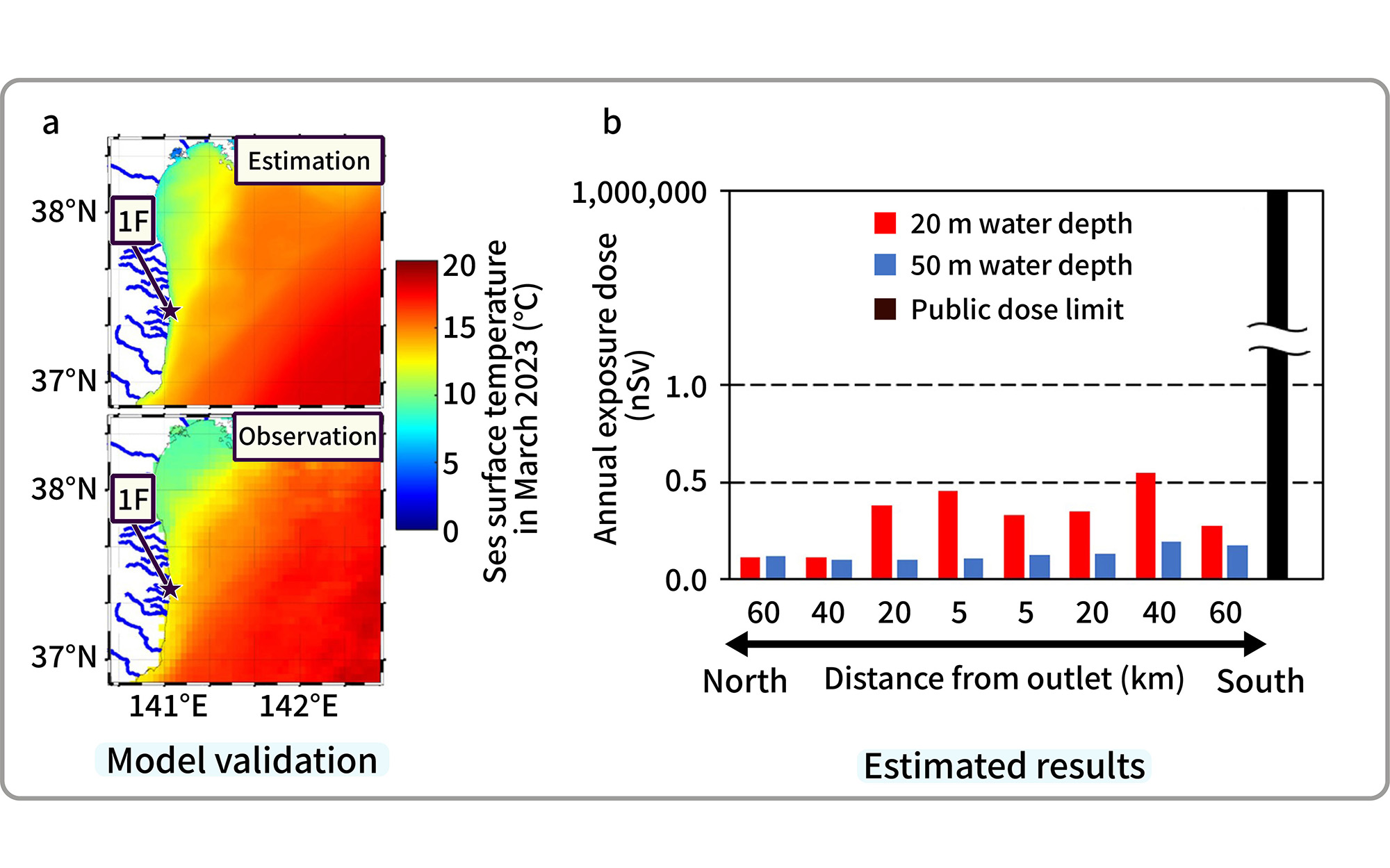
Fig. 1 Model validation (a) and model-estimated internal radiation dose estimated (b)
Following the accident at TEPCO's Fukushima Daiichi Nuclear Power Station (1F), contaminated water containing radionuclides exists at the 1F site. The advanced liquid processing system (ALPS) was used to remove radionuclides other than tritium and reduce their concentrations to levels that meet safety standards. The release of the ALPS-treated water into the ocean began in August 2023.
Seafood monitoring has been conducted to assess the effects of the releases. Although monitoring provides highly accurate measurements, its limited sampling coverage hinders the characterization of spatiotemporal changes in radionuclide concentrations. Numerical simulations can compensate for this limitation by providing continuous estimates of spatiotemporal radionuclide distributions.
To estimate tritium levels in Japanese flounder, we coupled an ocean dispersion model that predicts the spatiotemporal tritium distribution in seawater with a tritium transfer model that simulates the transfer of tritium from seawater through the marine food web. Model validation showed agreement between estimated and observed seawater temperatures, and successfully reproduced ocean conditions, including the movement of tritium.
For the ocean area approximately 5 to 60 km from 1F, the estimated results indicate that continuous consumption of Japanese flounder exposed to ALPS-treated water would pose a negligible radiological risk to human health.
Keywords
This research was conducted in collaboration with the Institute for Environmental Sciences.

If you have any comments or feedback about this page, please click the button to share your thoughts with us.