Publication Date: September 10, 2026
Access counts:0
Rapid Analysis of Neptunium-237 in Radioactive Liquid Waste
-Automated Analytical System for Efficient Decommissioning and Reduced Radiation Exposure and Contamination Risks-
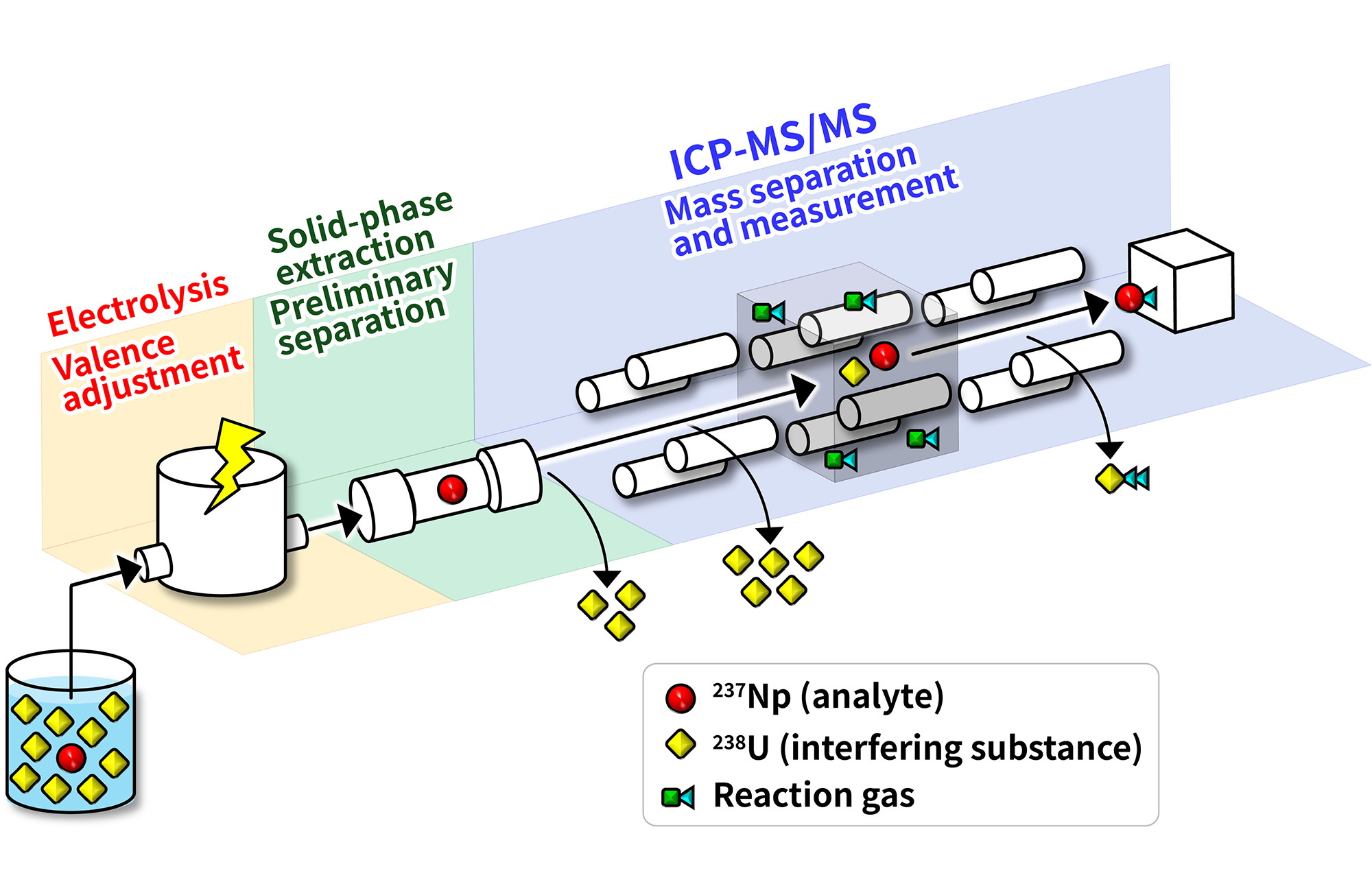
Fig. 1 Schematic of the developed system for automated analysis of 237Np
Accurate determination of radionuclides in liquid and solid waste is essential for nuclear decommissioning and the treatment and disposal of radioactive waste. Among various radionuclides, neptunium-237 (237Np) is particularly important in long-term safety assessments because of its long half-life of 2.14 million years and its significant impact on human health and the environment. In mass spectrometric analysis, uranium (U) interferes with accurate measurement of 237Np because its mass number is similar to that of 237Np and it is present in large amounts in the sample. Therefore, before measurement, 237Np must be converted into a form with a uniform valence and separated from U by solid-phase extraction (SPE). Traditionally, these pretreatment steps have been performed manually, making the process labor-intensive and time-consuming.
In this study, we developed an automated analytical system that continuously performs valence adjustment by electrolysis, preliminary separation by SPE, and further separation and measurement through gas-phase reactions in an inductively coupled plasma-tandem quadrupole mass spectrometer (ICP-MS/MS). In this system, the sample passes through a flow path to perform the required pretreatment procedures, enabling highly selective detection of 237Np.
The system can detect 237Np even in the presence of U at a concentration 270,000 times higher than that of 237Np, and its performance was successfully demonstrated using radioactive liquid waste obtained by dissolving metallic waste generated at JRR-3. The analysis time was reduced from 4 days with the conventional method to 25 min, and the detection limit was reduced to 1/80 of that achieved by the conventional method, enabling the detection of lower levels of 237Np.
This system is expected to reduce the risk of radiation exposure and contamination and support decommissioning activities and the management of radioactive liquid waste.
Keywords
This work was supported by JSPS KAKENHI Grants Number JP24K23110 and JP24K20944.

If you have any comments or feedback about this page, please click the button to share your thoughts with us.